Why Black Mould Loves UK Bathrooms
If you've scrubbed the same patch of mould off your shower sealant more than once, you're not alone — and you're not doing anything wrong. Black mould is one of the most common household complaints across the UK, and bathrooms are its favourite room by a wide margin. The reason is simple: mould spores are already present in almost every home, floating in the air and settling on surfaces, and all they need to grow is moisture, warmth and something to feed on. A bathroom supplies all three, every single day, whether anyone's cleaning it or not.
In coastal towns like Southend-on-Sea, the problem is often slightly worse than the UK average. Higher ambient humidity from being close to the sea, combined with older housing stock that wasn't built with modern extractor fans or double glazing in mind, means condensation has more opportunities to settle and linger. None of that means mould is inevitable — but it does mean the standard "wipe it down occasionally" approach usually isn't enough on its own.
Is Black Mould Actually Dangerous?
Most black mould found in UK bathrooms is a species called Cladosporium or, less commonly, Stachybotrys chartarum (often called "toxic black mould," though the toxicity concerns are more relevant to prolonged, heavy exposure than a patch on some sealant). For most people, bathroom mould is more of an irritant than a serious health hazard — but it isn't harmless either. It can trigger or worsen allergy symptoms, asthma, and respiratory irritation, particularly in children, the elderly, or anyone with existing breathing conditions. The practical takeaway: treat it as something worth dealing with promptly, not something to panic over, but also not something to simply paint over or ignore.
What You'll Need
- A mould-specific spray (bleach-based products work fastest; if you prefer to avoid bleach, a hydrogen peroxide or white vinegar-based spray is a gentler alternative, though it may need more applications)
- An old toothbrush or small grout brush for sealant and grout lines
- Rubber gloves and, ideally, a mask if you're sensitive to fumes or working in a small, unventilated bathroom
- A microfibre cloth and a squeegee for afterwards
A quick safety note: never mix bleach-based products with anything containing ammonia — the combination produces toxic chlorine gas. If you're using a shop-bought mould spray, stick to one product at a time and ventilate the room properly (open a window, or run the extractor fan) while you work.
Step-by-Step: Removing Mould From Sealant
Silicone sealant around the bath or shower is the single most common place mould takes hold, because it's slightly porous and traps moisture at the join between two surfaces. Spray the affected sealant generously and leave it to sit for the time stated on the product — usually 10 to 15 minutes for shop-bought sprays, longer for natural alternatives. Scrub gently with the toothbrush along the length of the sealant, working in one direction rather than back and forth, then rinse thoroughly with warm water and dry the area completely.
If the mould has deeply discoloured the sealant rather than just sitting on the surface, it may not fully come out with cleaning alone — silicone is slightly absorbent, and mould that's had months to establish itself can stain rather than just coat it. At that point, the sealant itself may need to be stripped out and reapplied, which is a straightforward DIY job with a sealant removal tool and a fresh tube of mould-resistant silicone, or something a professional cleaning or handyman visit can include.
Step-by-Step: Grout and Tiles
Grout lines are the second most common trouble spot, since they're textured and porous in a similar way to sealant. The same spray-and-scrub method works, though grout often needs a slightly stiffer brush to get into the texture. For grout that's gone from grey to visibly black or green, a baking soda and water paste left on for 15–20 minutes before scrubbing gives extra abrasive power without needing a stronger chemical. Tiles themselves are usually much easier — mould rarely takes hold on the glazed surface itself, so a normal bathroom spray and a cloth are typically enough once the grout lines are dealt with.
Don't Forget the Extractor Fan and Ceiling
It's easy to focus entirely on the shower and miss two of the most common repeat offenders: the extractor fan cover and the ceiling directly above the bath or shower. Both collect condensation and, because they're rarely cleaned, often develop mould before anyone notices. Wipe down the extractor fan cover monthly (with the fan switched off at the wall first), and check the ceiling every few months — a mould-specific spray on a long-handled brush or sponge makes this manageable without needing to stand precariously on the edge of the bath.
Why It Keeps Coming Back
Removing mould without addressing what caused it is the single biggest reason it returns within weeks. The underlying issue is almost always one (or more) of the following:
- Poor ventilation — an extractor fan that isn't used, isn't powerful enough for the room size, or isn't run for long enough after a shower (aim for at least 15–20 minutes afterwards)
- Standing water — water left on tiles, sealant or the shower screen after use, which a two-minute squeegee after every shower largely prevents
- No airflow between uses — a bathroom door kept shut with no window ever opened traps humidity with nowhere to go
- Old, saturated sealant — sealant that's already mould-stained will keep hosting spores no matter how often it's cleaned, until it's replaced
A cheap dehumidifier or moisture absorber in a bathroom with no window can also make a noticeable difference, particularly in older Southend properties with limited natural ventilation.
DIY vs Calling in a Professional
Most everyday bathroom mould is entirely manageable with the steps above and 30–45 minutes of your time. It's worth bringing in a professional deep clean when mould has spread extensively across multiple surfaces, when it keeps returning within days despite proper cleaning and ventilation (which can point to a deeper damp or leak issue worth investigating separately), or simply when you'd rather hand the whole job — sealant, grout, extractor fan, ceiling and all — to someone with the right products and experience to do it properly in one visit.
Mould vs Mildew: Are They the Same Thing?
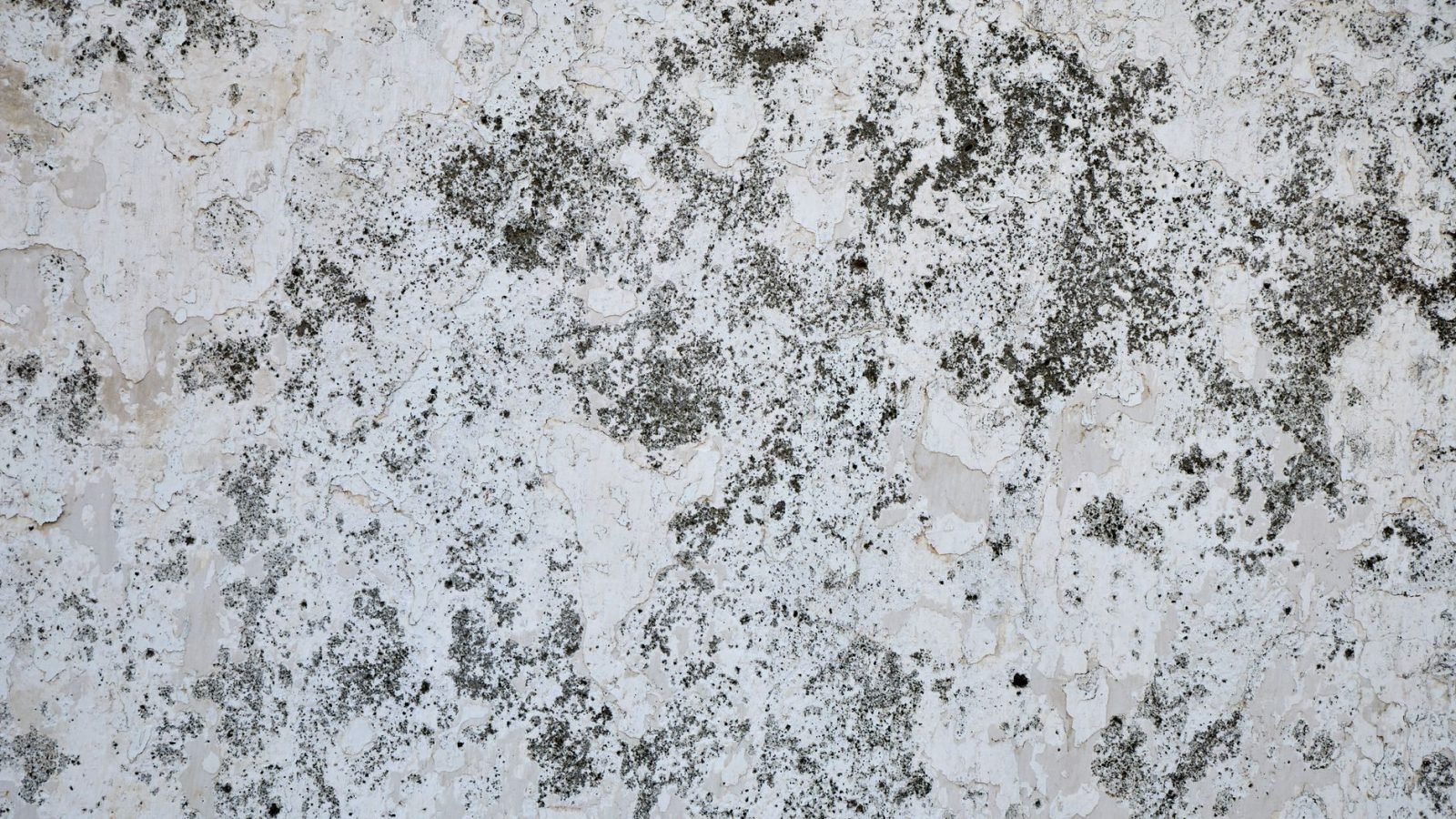
The terms get used interchangeably, but they're not quite the same. Mildew tends to appear as a flat, powdery growth — often white, grey or light yellow — and is generally easier to remove and less likely to cause structural or deep staining issues. Black mould (and its darker green or black-spotted relatives) grows with a slightly raised, fuzzy or slimy texture and is more likely to penetrate porous surfaces like sealant and grout, which is why it's harder to fully remove once established and why bathrooms are its preferred environment over drier rooms elsewhere in the house. In practice, the removal approach is broadly similar for both, but mildew usually responds to a lighter clean, while black mould often needs the more thorough sealant-and-grout approach covered above.
Renters: Who's Responsible for Mould?
If you're renting in Southend or anywhere in Essex, responsibility for mould isn't always straightforward. Under the Homes (Fitness for Human Habitation) Act 2018 and the Housing Health and Safety Rating System, landlords are generally responsible for mould caused by structural issues — a leaking roof, rising damp, poor insulation, or an inadequate or broken extractor fan. Mould caused by everyday condensation and lifestyle factors (drying washing indoors without ventilation, not using extractor fans, keeping windows permanently shut) is more commonly considered a tenant maintenance matter, though this line isn't always clear-cut in practice. If mould keeps returning despite you doing everything right — good ventilation, regular cleaning, no obvious lifestyle cause — it's worth raising it with your landlord or letting agent in writing, since persistent mould despite reasonable care often points to an underlying structural or ventilation problem that needs addressing rather than repeated cleaning.
What Professional Mould Removal Actually Involves
A professional bathroom clean tackling established mould typically goes further than a standard bathroom wipe-down: professional-strength, fungicidal products not always available in supermarkets, proper treatment (not just surface cleaning) of grout lines using the right dwell time for the product to actually kill spores rather than just bleach the visible colour, and — where sealant is too far gone to fully recover — practical advice on when resealing makes more sense than continuing to clean a stained strip. It also typically includes the extractor fan and ceiling, which are the two areas most commonly missed in a DIY clean and often the actual source of a mould problem that keeps returning.
Frequently Asked Questions
Does bleach permanently kill mould, or does it just clean the surface?
Bleach kills the mould on the surface effectively, but it doesn't address the moisture and lack of ventilation that allowed it to grow in the first place — which is why prevention matters just as much as the initial clean.
Can I use vinegar instead of bleach?
Yes — white vinegar is genuinely effective against many household mould species and is a good bleach-free option, though it typically needs a longer contact time and may need repeating on established patches.
Is it worth repainting over mould with "anti-mould" paint?
Only after the mould has been properly removed first — anti-mould paint prevents new growth on a clean surface, but painting directly over existing mould just seals it in rather than solving the problem.
How often should I clean my bathroom to prevent mould returning?
A quick wipe-down and squeegee after each use, plus a more thorough clean of grout, sealant and the extractor fan every one to two weeks, keeps most bathrooms mould-free without much effort.
Will an extractor fan alone stop mould coming back?
It helps enormously but isn't always a complete fix on its own — it needs to actually be used for long enough after every shower (15–20 minutes is a good rule of thumb) and needs to be powerful enough for the room, which isn't always the case in older properties with dated, underpowered fans.
Can mould in the bathroom spread to the rest of the house?
Mould spores can travel through the air to other rooms, particularly if humidity and poor ventilation are a wider issue in the property, which is another reason to address bathroom mould promptly rather than letting it establish itself.
Let Southend Sure Cleaning Handle It
If mould has taken hold across your bathroom, or you'd simply rather not spend your weekend scrubbing grout lines, our bathroom cleaning service covers exactly this — sealant, grout, tiles, extractor fans and all — using professional-grade products that are safe for family homes. It also pairs well with a full deep clean if it's been a while since the rest of the house had proper attention.
Book a bathroom deep clean with Southend Sure Cleaning and get your bathroom back to spotless — mould included.