
Eco-Friendly Cleaning: What Actually Works, and What's Just Marketing
Walk down any supermarket cleaning aisle in Southend-on-Sea and you will see the word "eco" or "natural" on a large share of the bottles, often alongside green leaf logos and phrases like "plant-powered" or "naturally derived." Some of these products genuinely are effective, safer alternatives to harsh chemical cleaners. Others are eco-friendly in name only, with marketing that outpaces what is actually inside the bottle. This guide separates the two, so you can make cleaning choices that are genuinely better for your home, your health and the environment — without paying a premium for packaging claims that do not hold up.
What "Eco-Friendly" Actually Means
Unlike some other consumer claims, there is no single legally regulated definition of "eco-friendly" that a cleaning product must meet before using the term in the UK. This means the label alone tells you very little. Genuinely eco-friendly cleaning products typically share a few real characteristics: biodegradable ingredients that break down safely rather than persisting in waterways, no phosphates (which contribute to algae blooms in rivers and waterways when washed down the drain), no harsh synthetic fragrances, and recyclable or reduced packaging. The presence of independent certifications — such as EU Ecolabel or Ecocert — is a far more reliable signal than marketing language alone, since these require the manufacturer to meet specific, independently verified standards.
Ingredients Worth Avoiding
If you want to make genuinely better choices without relying on front-of-bottle marketing, turning the bottle over and checking the ingredients is the most reliable method. A few ingredients worth being cautious of:
- Phosphates — still found in some dishwasher and laundry products, and known to cause significant environmental harm in waterways
- Chlorine bleach — highly effective at disinfecting but can release harmful fumes when mixed with other common household products, and is harsh on both skin and fabric over repeated use
- Synthetic fragrances — often listed simply as "parfum," these can trigger reactions in people with fragrance sensitivities or asthma, and give no indication of what is actually in them
- Ammonia — effective on glass and grease but can irritate airways with prolonged exposure, particularly in poorly ventilated bathrooms
- Triclosan — an antibacterial agent increasingly linked to antibiotic resistance concerns, and now banned in some products in other countries
Natural Alternatives That Genuinely Work
Some of the most effective cleaning solutions are also among the simplest and cheapest, and they have been used for generations for good reason:
White vinegar
An effective natural descaler and mild disinfectant, particularly good for glass, showerheads and taps in Essex's hard-water areas. It should never be mixed with bleach, and is not suitable for use on natural stone surfaces such as marble, which it can etch.
Bicarbonate of soda
A mild abrasive that works well on grease, baked-on food in ovens, and grimy grout lines without scratching most surfaces. Combined with a little water to form a paste, it is genuinely one of the most versatile natural cleaning ingredients available.
Lemon juice
Mildly acidic and effective against limescale and light grease, with a naturally pleasant scent that does not rely on synthetic fragrance. Particularly good on chopping boards and around kitchen taps.
Castile soap
A plant-based, biodegradable soap that works well as a general-purpose cleaner for floors and surfaces when diluted, without the synthetic detergents found in many conventional all-purpose sprays.
Where Natural Alternatives Fall Short
It would be misleading to suggest natural alternatives can fully replace every conventional product, and a balanced approach is more realistic than an all-or-nothing one. Natural alternatives are generally not effective at properly disinfecting surfaces after raw meat preparation or during illness in the household, where genuine antibacterial or antiviral action matters for health reasons, not just cleanliness. Heavy limescale build-up, black mould in grout, and carbonised oven grease often need a targeted, stronger product to shift effectively, even if a natural approach is used for everyday maintenance in between. The most practical approach for most households is not choosing one camp exclusively, but using natural alternatives for routine, frequent cleaning, and reserving stronger, targeted products for specific problem areas or situations that genuinely require them.
Reading Past the Greenwashing
"Greenwashing" — marketing a product as more environmentally friendly than it actually is — is common enough in the cleaning industry that it is worth knowing the common tactics:
- Vague claims like "naturally derived" or "plant-based," which can technically apply to a tiny fraction of the ingredient list while the rest remains synthetic
- Green packaging and leaf imagery used without any corresponding certification or ingredient disclosure
- "Chemical-free" claims, which are meaningless in a literal sense since water itself is a chemical — the relevant question is which chemicals, not whether any are present
- Focusing on one eco-friendly attribute, such as recyclable packaging, while saying nothing about the actual formula inside
The most reliable approach is to look for specific, verifiable claims — a listed percentage of naturally derived ingredients, a recognised third-party certification, or a full ingredients list you can check — rather than trusting broad marketing language on its own.
Are Eco-Friendly Products Worth the Extra Cost?
Genuinely certified eco-friendly products often do cost more than budget conventional cleaners, and whether that premium is worth it depends on your priorities. For households with young children, pets, or anyone with respiratory sensitivities, reduced exposure to harsh chemical residues and fumes is a meaningful benefit that many families consider worth paying for. For general household cleaning with no particular sensitivity concerns, a hybrid approach — natural alternatives for daily and weekly cleaning, targeted conventional products only where genuinely needed — tends to offer the best balance of effectiveness, cost and environmental impact.
A Room-by-Room Guide to Natural Cleaning
Kitchen
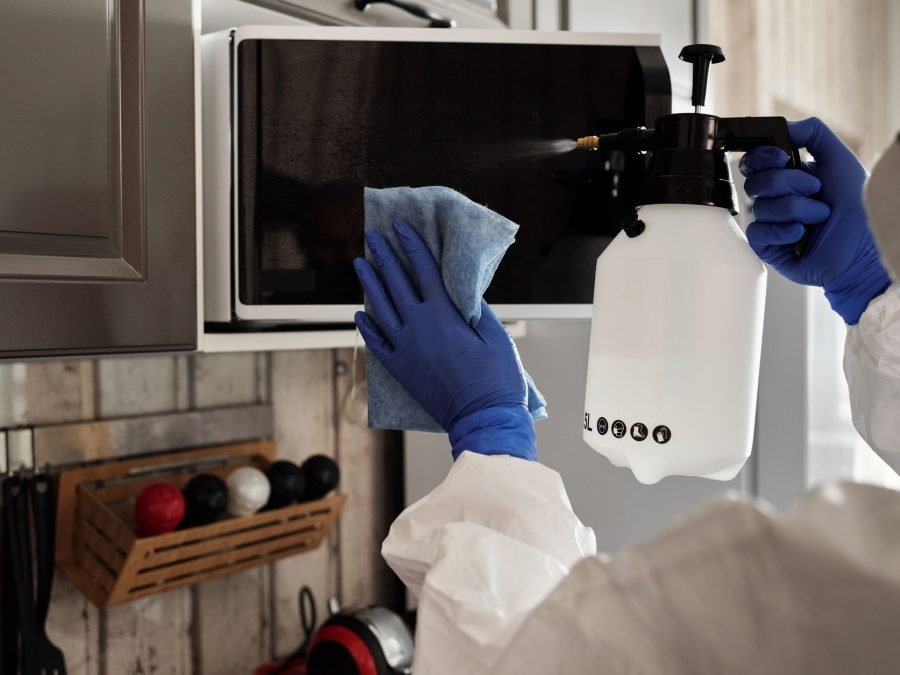
A bicarbonate of soda paste handles baked-on hob grease and light oven grime well. White vinegar diluted with water cuts through grease on worktops and inside the microwave — heat a bowl of water with a splash of vinegar for a couple of minutes and wipe away softened splatters easily. For chopping boards, a lemon half rubbed over the surface, left for a few minutes, then rinsed, both cleans and freshens without synthetic fragrance.
Bathroom
White vinegar in a spray bottle, left on limescale-affected taps and showerheads for fifteen to twenty minutes before wiping, noticeably reduces the effort needed compared with wiping alone. Bicarbonate of soda sprinkled on a damp sponge lifts soap scum from bath and shower surfaces without scratching. For grout, a paste of bicarbonate of soda and a little water, left for ten minutes and scrubbed with an old toothbrush, is genuinely effective on light-to-moderate discolouration, though established black mould usually needs a dedicated mould treatment product.
Living areas
A simple mix of water, a small amount of castile soap and a few drops of an essential oil makes an effective, low-residue surface spray for wood furniture and general dusting, without the buildup some silicone-based polishes leave over time. For glass and mirrors, a vinegar-water solution with a microfibre cloth gives a streak-free finish comparable to commercial glass cleaners.
Frequently Asked Questions
Is vinegar safe to use on all surfaces?
No — avoid it on natural stone such as marble, granite or limestone, where its acidity can etch and dull the surface over time. It is also not recommended on hardwood floors with certain finishes, so check manufacturer guidance first.
Can I mix natural cleaning ingredients to make them stronger?
Some combinations are safe and effective, such as bicarbonate of soda and vinegar for tackling stubborn grime, though the fizzing reaction is mostly just carbon dioxide and water rather than a genuinely more powerful cleaner. Never mix vinegar with bleach-based products, natural or otherwise, as this can release harmful chlorine gas.
Do eco-friendly products disinfect as well as bleach?
Generally no — most natural alternatives are effective cleaners but not true disinfectants in the medical sense. For situations that genuinely require disinfection, such as after illness in the household or raw meat preparation, a proper disinfectant product remains the more reliable choice.
Are fragrance-free products the same as eco-friendly ones?
Not necessarily — a product can be fragrance-free but still contain harsh synthetic ingredients, and equally a naturally derived product may include a natural essential oil fragrance. Fragrance-free is a useful indicator for sensitivity concerns specifically, but it is not on its own a marker of overall eco-friendliness.
How Southend Sure Cleaning Approaches Products
We use professional-grade products chosen for being genuinely effective while remaining safe for homes with children and pets, striking the balance this guide describes — strong enough to properly degrease, descale and disinfect where it matters, without relying on harsh chemicals for routine cleaning where they are not necessary. If you have specific product preferences or sensitivities in your household, just let us know when you book and we will work around them. Our approach reflects exactly the balanced philosophy set out above: natural-leaning products for everyday surfaces, and properly effective, targeted products reserved for the jobs — limescale, mould, grease and genuine disinfection — where a lighter touch simply is not enough to get the result you are paying for.
Book a clean with Southend Sure Cleaning today and experience the difference professional-grade, thoughtfully chosen products make.