
Why End of Tenancy Cleaning Matters So Much
If you have ever reached the end of a tenancy in Southend-on-Sea, you already know the feeling: boxes everywhere, a van booked for the weekend, and a checkout inspection looming that could decide whether you see your full deposit again. Letting agents and landlords across Essex are increasingly strict about the condition a property is left in, and with tenancy deposit schemes now giving both sides clear evidence-based routes to dispute a deduction, a proper end of tenancy clean is no longer optional — it is the single biggest factor within your control when it comes to getting every penny of your deposit back.
The trouble is that "clean" means very different things to a tenant who has just spent a weekend packing and a letting agent working through a detailed, room-by-room inventory. Most disputes do not come from major damage — they come from the small, easily missed details: a limescale-crusted showerhead, a greasy extractor fan, dust along skirting boards, or marks left behind picture hooks. This guide walks through exactly what a thorough end of tenancy clean should cover, room by room, so you know what "clean enough" really looks like before your check-out inspection.
Start With Your Tenancy Agreement and Inventory
Before you pick up a single cloth, dig out your original inventory report and tenancy agreement. Most agreements specify the property must be returned to "the same standard as check-in, fair wear and tear excepted." That inventory report — usually with photos — is the benchmark your check-out will be measured against, so it pays to compare the two rather than guessing. If professional cleaners cleaned the property before you moved in (many managed lets in Southend and Westcliff-on-Sea are professionally cleaned between tenancies), your agreement may specifically require a professional clean at the end too, sometimes with a receipt as proof. Check this first — it can save an argument later.
The Kitchen: Where Most Deposit Disputes Start
The kitchen is, without question, the room that causes the most disputes at checkout. Grease builds up gradually over months of cooking, and by the time you notice it, it has often baked onto surfaces in a way that a quick wipe-down simply will not shift.
Oven, hob and extractor
The oven is usually the single item that decides whether a cleaning-related deduction happens at all. Every shelf, the door glass (inside and out), the seals, and the base need to be completely free of carbonised grease and burnt-on food. If you are not confident tackling this yourself, a specialist oven clean is one of the most cost-effective things you can book — it typically takes under two hours and removes any doubt at inspection. The hob, extractor fan filter and the extractor housing itself collect airborne grease that is easy to forget; run your finger along the top of the extractor and you will usually find out just how much.
Cupboards, worktops and appliances
Empty every cupboard and wipe both the inside and outside, including the tops of wall units where dust and grease settle unseen. Worktops should be degreased, not just wiped with water. If the fridge-freezer is staying with the property, it needs to be fully defrosted, cleaned inside and out, and left with the door propped open to avoid mould and odours before the next tenant moves in. Washing machines benefit from a wipe around the detergent drawer and door seal, where mould and detergent residue commonly build up.
Floors, tiles and sink
Grout lines around splashbacks and floor tiles are a common sticking point on inspections — a build-up of grime here reads as "not cleaned" even if the rest of the kitchen is spotless. The sink, taps and drainer should be descaled and left shining, particularly if you are in one of Southend's many hard-water areas where limescale forms quickly.
The Bathroom: Limescale Is the Enemy
Bathrooms in Essex suffer more than most from hard water, and limescale is the single biggest reason bathrooms fail a checkout inspection. Focus on:
- Showerhead and screen — soak the showerhead in a descaling solution and clean glass screens with a dedicated limescale remover, not just standard bathroom spray.
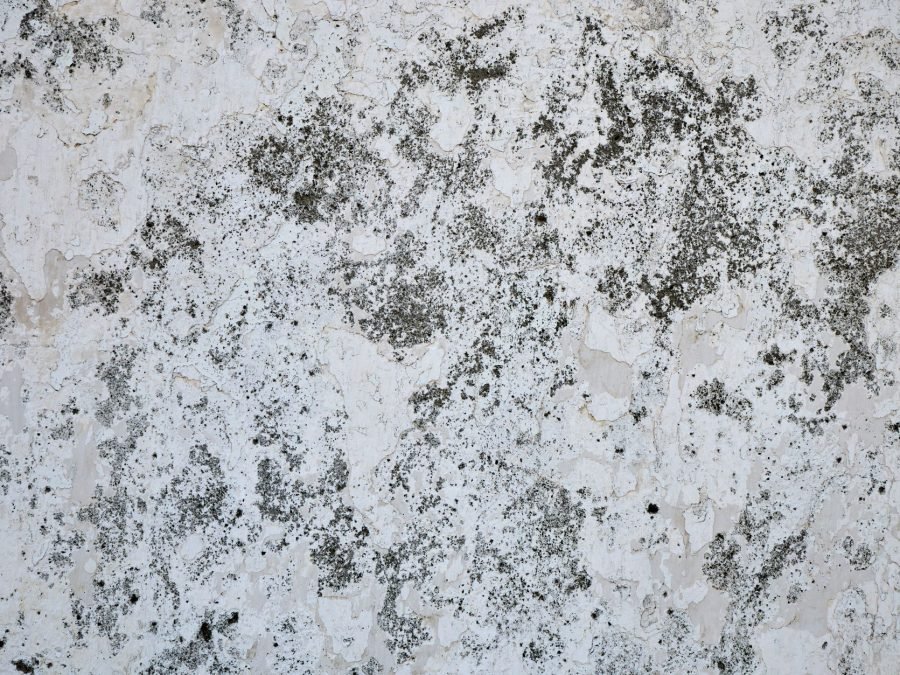
- Grout and sealant — black mould in silicone sealant around the bath or shower tray is one of the most common reasons for a cleaning-related deduction; it needs treating with a proper mould remover, not bleach alone.
- Toilet — clean under the rim, around the base, and behind the seat hinges, which are frequently overlooked.
- Extractor fan — bathroom extractor fan covers collect a surprising amount of dust and should be wiped or vacuumed.
- Mirrors and chrome — polished to a streak-free finish, as these are highly visible at inspection.
Living Areas and Bedrooms
These rooms are usually less contentious than kitchens and bathrooms, but they are where "little things" get missed because nothing looks obviously dirty.
Walls, skirting boards and doors
Scuff marks near light switches, fingerprints around door handles, and dust along skirting boards and picture rails are easy to miss but easy to spot on a white-glove inspection. Cobwebs in high corners are a classic giveaway that a room has not had a proper top-to-bottom clean.
Windows and window sills
Clean the inside of every window and wipe down sills and frames, where dust and condensation marks collect, especially in older Southend properties with single-glazed sash windows.
Carpets and flooring
Vacuum thoroughly, including under furniture wherever possible, and check your tenancy agreement — many require a professional carpet clean at the end of the tenancy, particularly if pets were permitted. A receipt from a professional carpet clean is often the strongest single piece of evidence you can present in a deposit dispute.
Light fittings and switches
Dust accumulates on lampshades and ceiling light fittings far more than people expect, and switches and sockets pick up handprints over time. Both are quick to clean but noticeable when neglected.
Don't Forget These Commonly Missed Areas
- Inside kitchen and bathroom cabinets, including shelf liners
- Behind and underneath appliances that can safely be moved
- Radiators — top, front and behind, where dust collects thickly
- Door tops and the tops of door frames
- Curtain rails and blind slats
- Bins — inside and out, including under any liner
- Any marks left on walls from Blu-Tack, posters or picture hooks
DIY Clean vs Professional End of Tenancy Cleaning
A DIY end of tenancy clean is possible if you have a full weekend free, the right products, and no other moving-day pressures competing for your time — but most tenants underestimate how long it genuinely takes to clean a property to inspection standard. A two-bedroom flat typically takes a trained team four to six hours to complete properly; done alone around packing and moving logistics, it can easily stretch across two exhausting days.
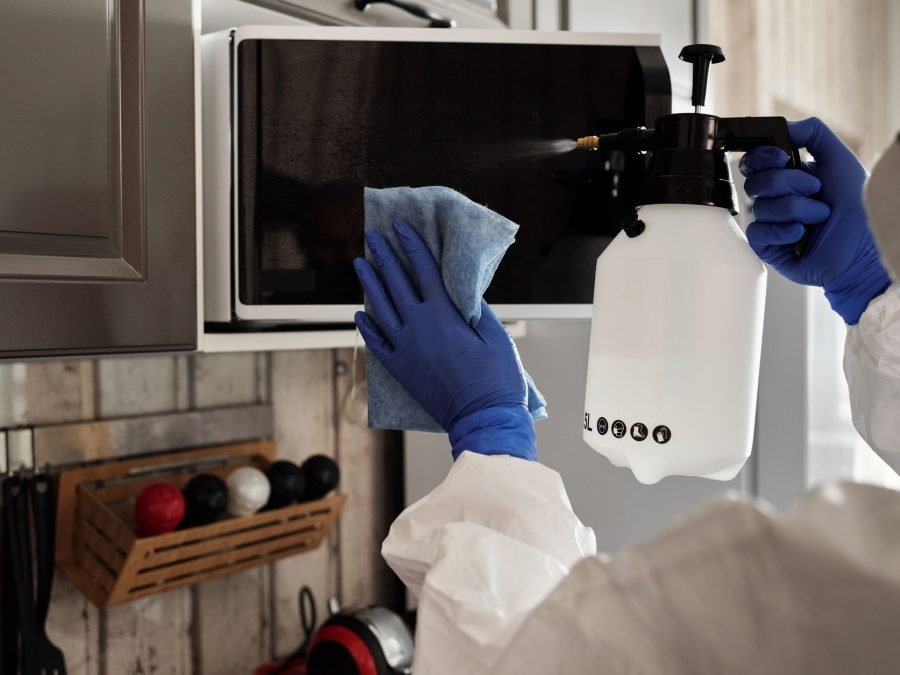
A professional end of tenancy clean removes that pressure entirely, and because it is a fixed, agreed price with a checklist built specifically around what letting agents inspect for, it is usually the safer bet financially too — a single kitchen or carpet-related deduction can easily exceed the cost of hiring a professional team in the first place. It is also simply less stressful to hand the entire job to an insured, DBS-checked team who do this every day, while you focus on the move itself.
When Should You Book Your End of Tenancy Clean?
Timing matters more than most tenants realise. The best approach is to book your clean for after all your furniture and belongings have been removed — cleaning around boxes and furniture means skirting boards, floors and corners get missed, and you will likely need to go back over them anyway. Ideally, aim to have the property cleaned on your very last day, or the morning after removals, so there is no time for dust to resettle or new marks to appear before the agent's inspection. If you are handing keys back on a Friday, many letting agents will not inspect until the following working day, which can work in your favour if you need a little breathing room — but never assume this and always confirm your specific handover date in writing.
During busy periods — particularly the end of the month and over the summer, when a large share of Southend's rental moves happen — professional cleaning slots get booked up quickly. It is worth arranging your end of tenancy clean as soon as you have a confirmed move-out date, rather than leaving it to the final week.
Frequently Asked Questions
Do I legally have to hire a professional cleaner?
Not unless your tenancy agreement specifically requires it, which some do, particularly where pets were allowed or where the property was professionally cleaned before you moved in. Even without a contractual requirement, the property must be returned to the same standard as check-in (fair wear and tear excepted), and a professional clean is simply the most reliable way to meet that standard and provide evidence if a dispute arises.
What if my landlord's cleaning standards seem unreasonable?
Under the various tenancy deposit protection schemes, deductions must reflect the actual cost of returning the property to its check-in condition, not an unreasonably higher standard. If you believe a deduction is unfair, your inventory report, dated photographs, and a receipt for a professional clean are your strongest evidence in any dispute.
How long does a professional end of tenancy clean take?
A typical one-bedroom flat takes around three to four hours, a two or three-bedroom house around four to six hours, depending on condition. Heavily soiled ovens, extensive limescale, or a request for a carpet clean alongside the standard clean will extend this.
Can I get a guarantee my deposit will be returned?
No legitimate cleaning company can guarantee your full deposit back, since other factors such as damage, unpaid rent or missing items are outside a cleaner's control. What a proper end of tenancy clean does guarantee is that cleanliness will not be the reason for a deduction — which, in practice, is the single most common reason deposits are withheld.
Get Your Full Deposit Back With Southend Sure Cleaning
At Southend Sure Cleaning, our end of tenancy cleaning service is built specifically around what letting agents and landlords check for, covering every item in this guide as standard — oven, extractor, limescale, grout, skirting boards and more. We work across Southend-on-Sea, Westcliff, Leigh-on-Sea, Rayleigh, Rochford and the surrounding Essex towns, with fixed, transparent pricing agreed before we start and no hidden extras on the day.
Book your end of tenancy clean today and move out with confidence, knowing your deposit is in safe hands.