
How Often Should You Really Deep Clean Your Home?
Most of us have a regular cleaning routine — a hoover round, wiping the kitchen surfaces, a quick bathroom scrub — that keeps a home looking presentable week to week. But regular cleaning and deep cleaning are not the same thing, and confusing the two is exactly why so many homes start to feel "not quite clean" even when they are tidied every few days. Deep cleaning reaches the places routine cleaning does not: behind appliances, inside extractor fans, grout lines, skirting boards, and the build-up that only becomes visible once you actually look closely.
The honest answer to "how often" depends on the room, how the space is used, and who lives there — a home with young children, pets or allergy sufferers needs a different rhythm to a couple who both work full time. This guide breaks it down room by room, so you can build a realistic deep cleaning schedule instead of either over-cleaning out of guilt or leaving it until things feel overwhelming.
Kitchen: Every 4–6 Weeks
The kitchen accumulates grease and bacteria faster than any other room, simply because of daily cooking, so it deserves the most frequent deep clean of the whole house.
What a kitchen deep clean should include
- Degreasing the hob, splashback and the top and sides of the oven, not just the interior
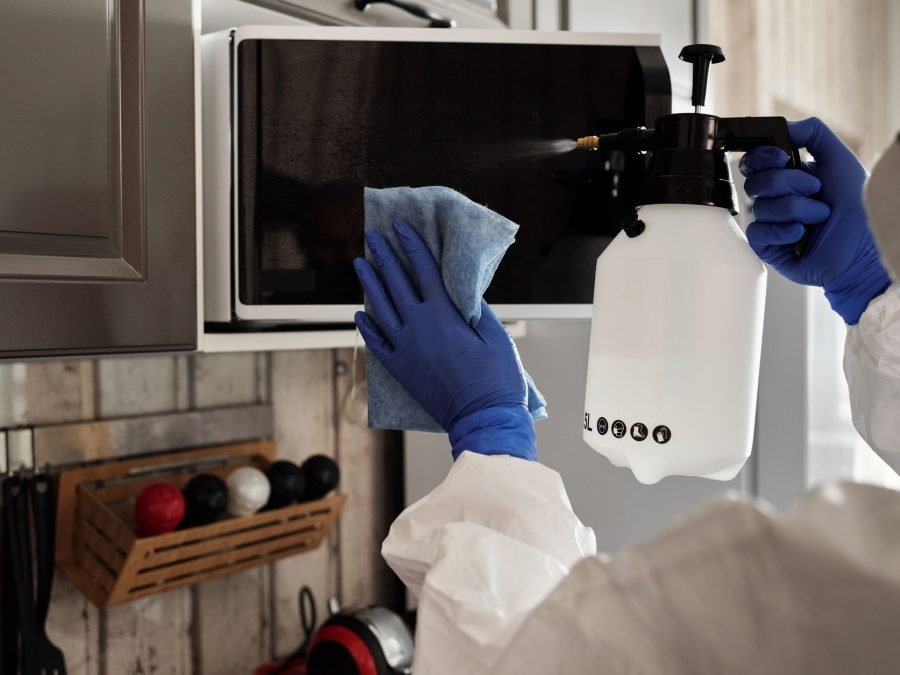
- Cleaning inside the microwave, including the roof, where splatters bake on
- Wiping down the extractor fan filter and housing, which collects airborne grease invisibly
- Descaling the kettle and taps, especially in hard-water areas across Essex
- Pulling out any moveable appliances to clean behind and underneath
- Wiping the tops of wall cupboards, where dust and grease settle out of sight
If you cook most days, aim for every four weeks. If you cook less frequently or mostly reheat, six weeks is usually sufficient. The oven itself is the exception — a proper oven deep clean, removing shelves and tackling carbonised grease, is typically only needed every two to three months unless you roast or bake heavily.
Bathroom: Every 2–4 Weeks
Bathrooms are damp for hours every day, which makes them the fastest room in the house to develop limescale, soap scum and mould if routine cleaning alone is relied upon.
What a bathroom deep clean should include
- Descaling the showerhead, taps and glass screen
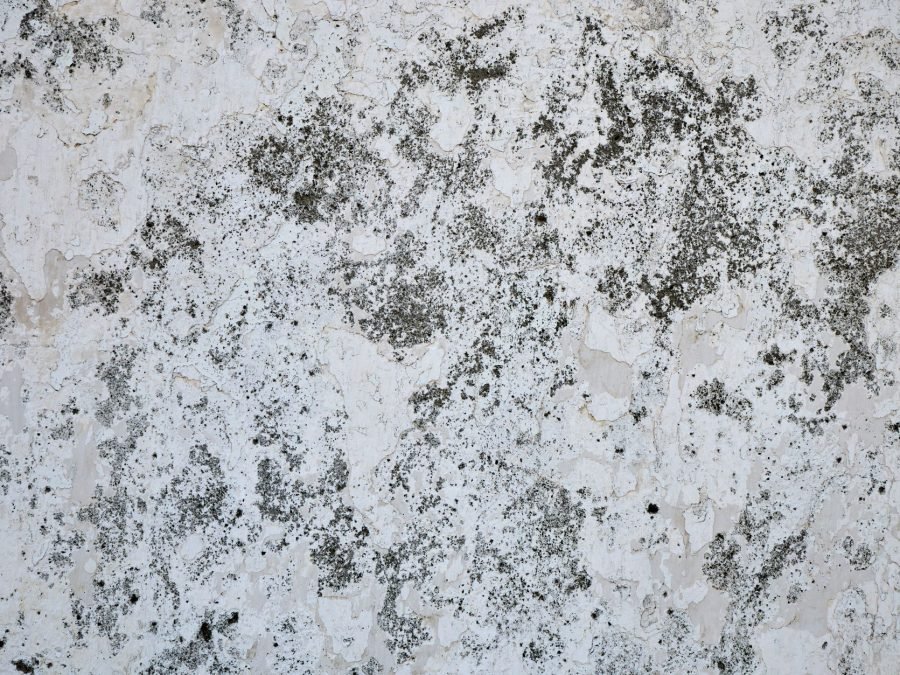
- Treating grout lines and silicone sealant for early mould growth before it becomes ingrained
- Cleaning behind the toilet and around the base, hinges and underside of the seat
- Wiping down the extractor fan cover, which collects dust surprisingly quickly
- Washing bath mats and any fabric shower curtains
Households in hard-water areas — much of Southend-on-Sea and the wider Essex coast included — will notice limescale returning faster than in soft-water regions, which is why every two to three weeks tends to work better than the four-week mark that suits softer-water areas.
Living Areas: Every 6–8 Weeks
Living rooms and bedrooms feel clean more easily than kitchens and bathrooms because there is less grease and moisture, but dust, allergens and fabric build-up still accumulate steadily.
- Vacuuming under and behind sofas and beds, not just the open floor
- Washing cushion covers and throws
- Dusting skirting boards, picture rails, light fittings and the tops of door frames
- Cleaning inside windows and wiping down sills, where condensation marks build up
- Vacuuming curtains or wiping blind slats, both of which trap significant dust
Homes with pets should shorten this to every four to six weeks, since pet hair and dander build up in soft furnishings far faster than most people expect, and can aggravate allergies even in non-allergic households once it accumulates.
Carpets and Upholstery: Every 6–12 Months
Regular vacuuming removes surface dirt, but it does not remove the dust mites, allergens and ground-in soil that settle deep into carpet fibres and upholstery padding over time. A professional carpet clean every six to twelve months — more frequently in high-traffic homes, homes with pets, or households with allergy sufferers — extends the life of your carpets considerably and noticeably improves indoor air quality. Carpets in hallways and living rooms, which see the most footfall, wear and soil faster than bedroom carpets and may benefit from more frequent attention.
Signs Your Home Is Overdue a Deep Clean
Rather than working strictly to a calendar, it helps to know the practical warning signs that a deep clean is overdue, regardless of when the last one happened:
- A musty smell in the bathroom that air freshener does not fully mask — usually mould developing somewhere out of sight
- Visible grease film on kitchen cupboard doors near the hob
- Dust visibly resettling within a day or two of a routine clean
- Grout lines noticeably darker than the surrounding tile
- Allergy symptoms that improve when you are away from home and return once you are back
Why Deep Cleaning Matters for More Than Appearance
A deep clean is not just about how a home looks — it has a real, measurable effect on the air you breathe and the surfaces you touch every day. Dust mites thrive in soft furnishings and carpets that are not deep cleaned regularly, and they are one of the most common household allergy triggers, alongside pet dander and mould spores. Kitchens that are not deep cleaned regularly can harbour bacteria in grease build-up on and around food preparation surfaces, even when they look superficially clean. For households with young children, elderly residents or anyone with respiratory conditions such as asthma, a proper deep cleaning routine is genuinely a health consideration, not just a cosmetic one.
Building a Realistic Deep Cleaning Schedule
Trying to deep clean an entire home in one weekend is exhausting and rarely sustainable long term. A more realistic approach is to stagger rooms across the month — kitchen in week one, bathroom in week two, living areas in week three, leaving week four flexible for whichever room needs it most. This spreads the workload evenly and means no single room is ever left too long between proper cleans.
If your schedule genuinely does not allow for this — and for most working households and families, it often does not — a recurring professional deep clean, whether monthly, fortnightly or as a quarterly reset, keeps a home consistently at the standard a full weekend DIY blitz would achieve, without it falling on you to find the time.
Deep Cleaning vs Regular Cleaning: What's the Real Difference?
It is worth being precise about this distinction, because it is the source of most confusion when people book a clean and are surprised by what is or is not included. Regular cleaning — sometimes called maintenance cleaning — covers the surface-level tasks that keep a home presentable: vacuuming open floor areas, wiping visible kitchen surfaces, cleaning the toilet and sink, taking out the bins, and general tidying. It is designed to be done frequently, often weekly, and does not involve moving furniture or appliances.
Deep cleaning goes underneath and behind that surface layer. It includes moving furniture and appliances to clean what is normally hidden, descaling and treating limescale and mould rather than simply wiping around it, degreasing rather than just cleaning, and addressing build-up in grout lines, extractor fans and skirting boards that accumulates gradually over weeks and months. Because it takes considerably longer and requires different products and techniques, it is not something most households can realistically fit into a weekly routine — which is exactly why a separate, less frequent deep cleaning schedule makes sense alongside your regular cleaning.
Frequently Asked Questions
Can I deep clean my whole house in one day?
For a small flat, a single dedicated day is achievable if you focus and work systematically room by room. For a three or four-bedroom house, it is genuinely difficult to do a proper deep clean — not just a tidy-up — of every room in a single day without cutting corners somewhere. Staggering rooms across a few weeks, or booking a professional team, tends to produce a far more thorough result.
Is deep cleaning worth it if I already clean regularly?
Yes — regular cleaning and deep cleaning address different types of dirt. Even a home that looks spotless day to day will have grease, limescale and dust building up in places routine cleaning does not reach, simply because those areas are not part of a typical weekly routine.
Should I deep clean before or after redecorating?
Always before. Dust and grease on walls and skirting boards can affect how well paint adheres, and a deep clean often reveals marks or damage that are easier to address before new paint or flooring goes down, not after.
How do I know if I need a deep clean or just a bigger regular clean?
If your normal routine is starting to take noticeably longer without the home actually looking cleaner, that is usually a sign the underlying grime has built up past what surface cleaning can address — a good indicator it is time for a proper deep clean rather than simply spending longer on the usual tasks.
Let Southend Sure Cleaning Handle the Deep Clean
Our deep cleaning service covers every room to the standard outlined in this guide, whether you need a one-off reset before a big event, a seasonal spring clean, or a recurring deep clean on a schedule that suits your household. We work across Southend-on-Sea, Leigh-on-Sea, Rayleigh, Benfleet and the surrounding Essex towns, with fully insured, DBS-checked cleaners and a 100% satisfaction guarantee on every visit.
Book your deep clean today and feel the difference a genuinely thorough clean makes.